
WhatsApp for clinics: the complete guide
Why patients prefer to message
Patients increasingly want to book and ask questions the same way they message everyone else, on WhatsApp. Calling during opening hours is inconvenient, and many appointment requests now arrive in the evening or at night. A clinic that only takes bookings by phone simply misses a growing share of demand.
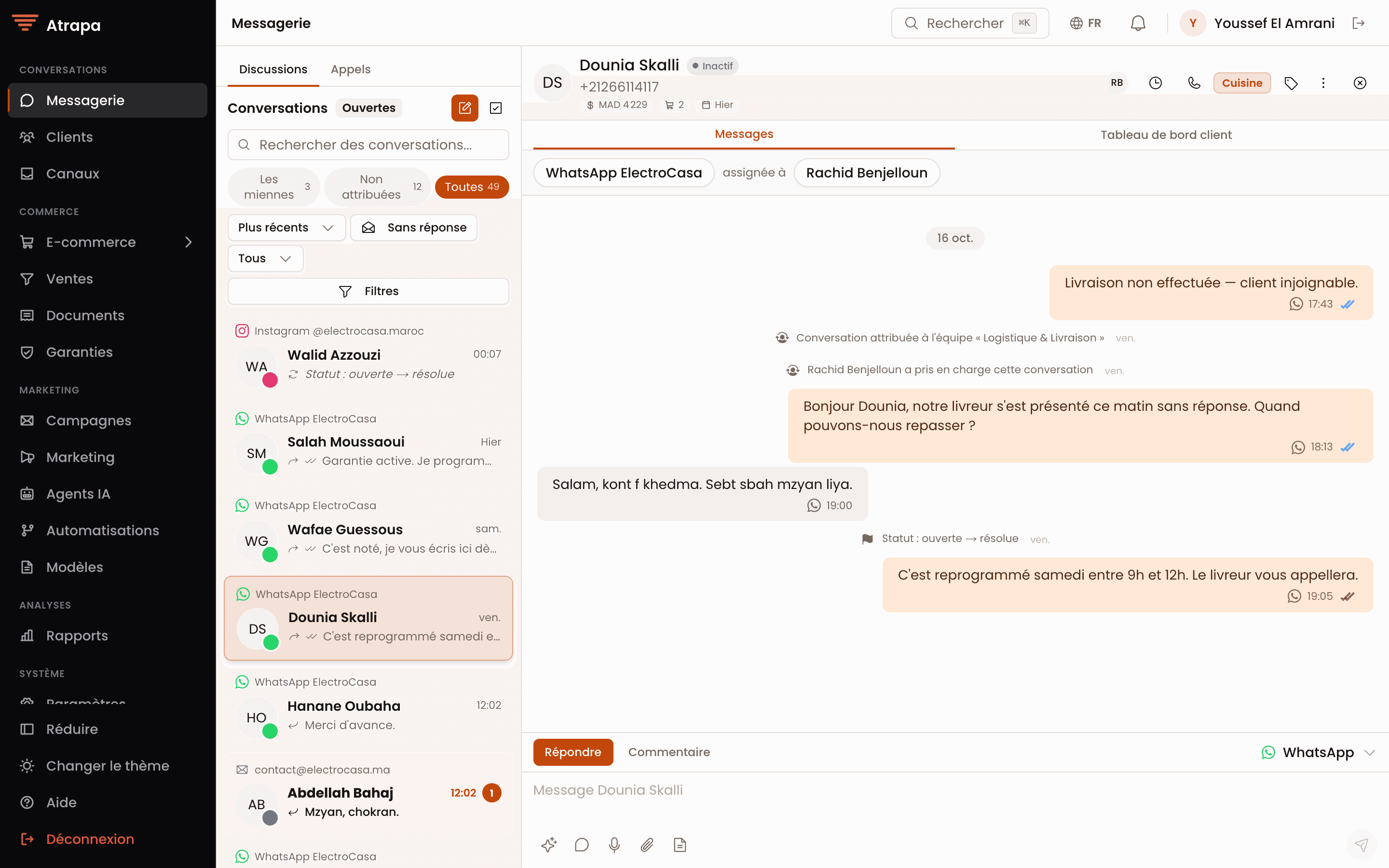
The challenge is that these messages arrive alongside phone calls and walk-ins, overwhelming reception. Without a system, requests sit unanswered and patients move on. Bringing every channel into one inbox lets a clinic capture demand whenever it arrives, without adding to reception's load.
Setting up patient communication the right way
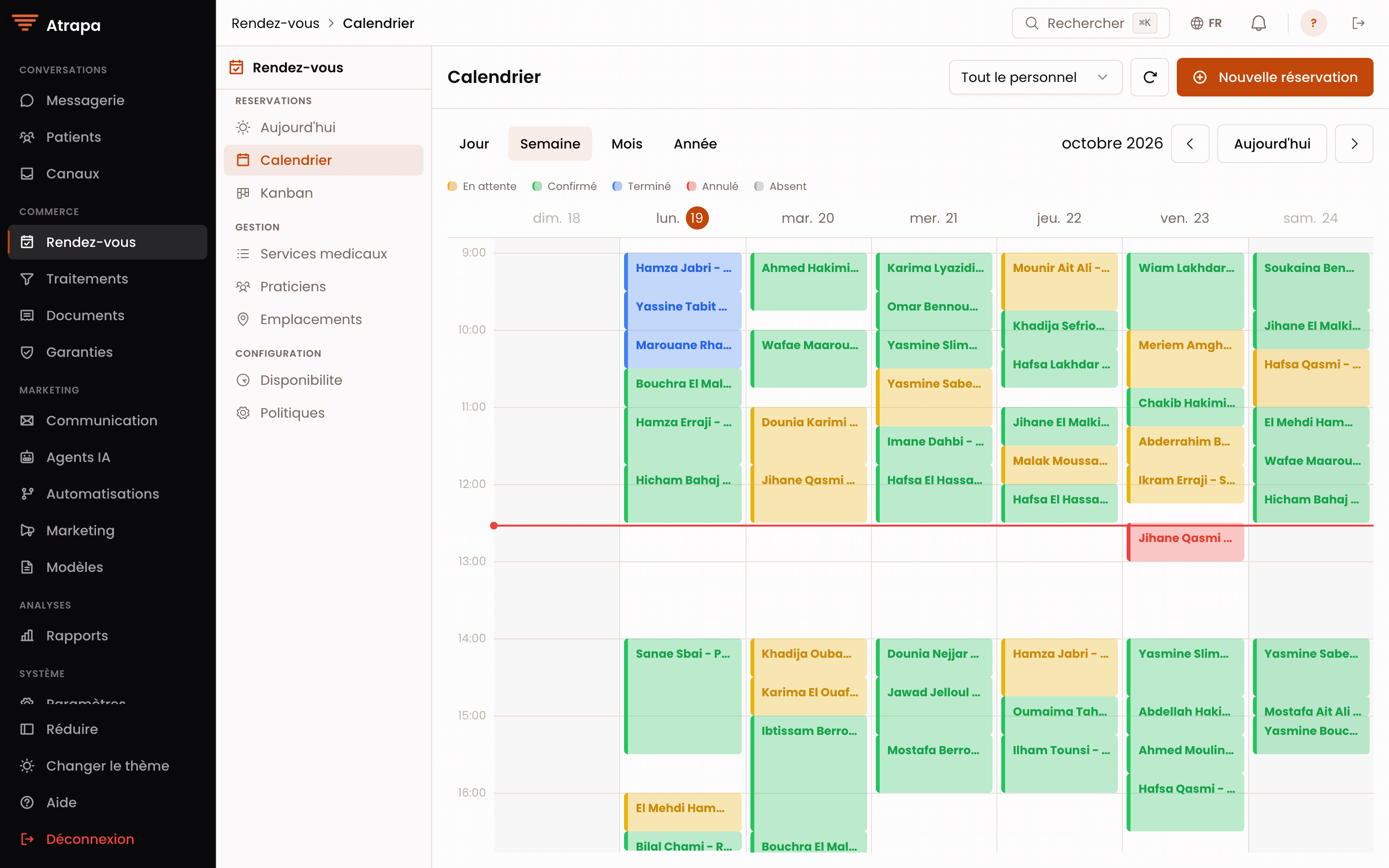
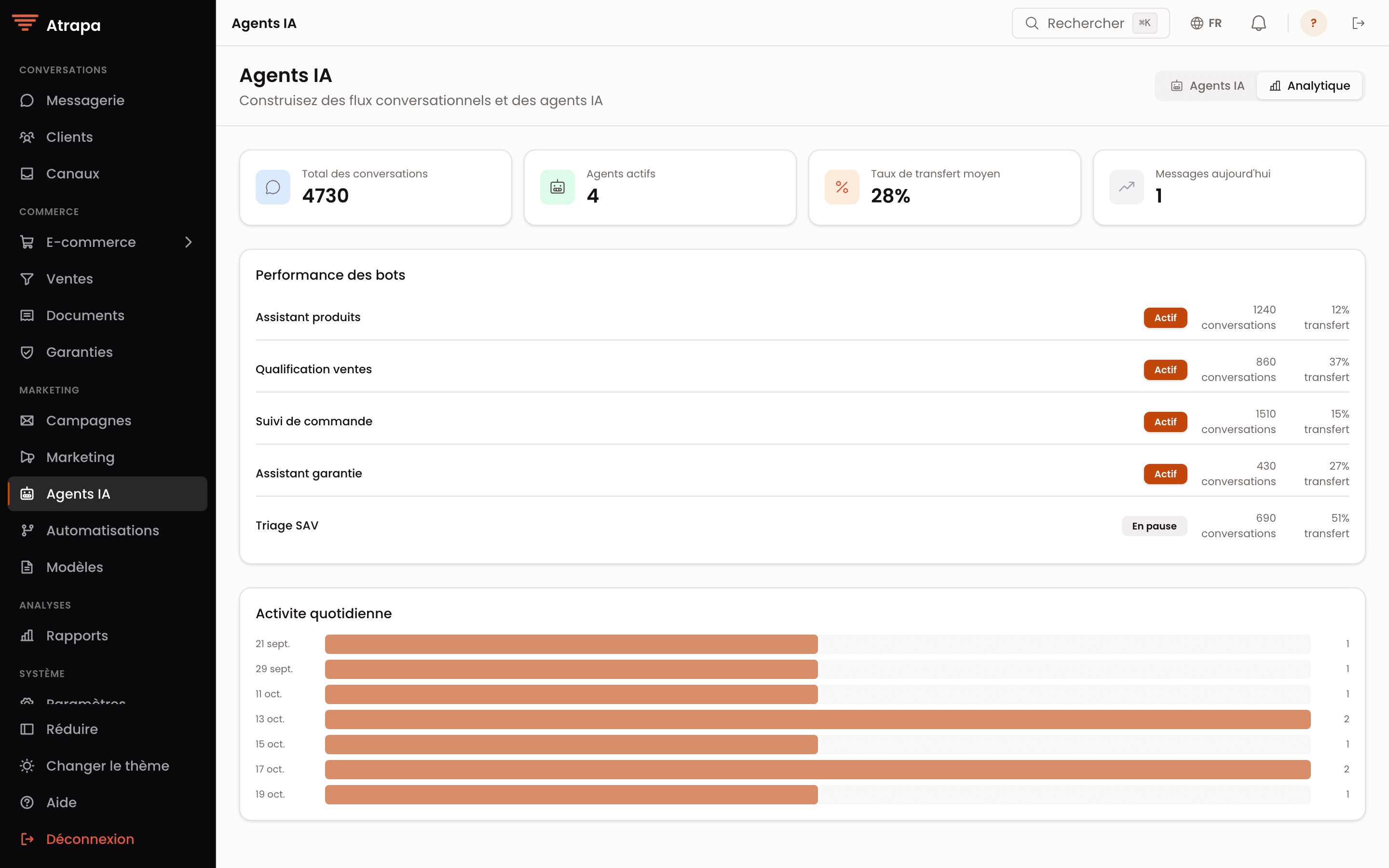
Start by consolidating WhatsApp, Instagram and other channels into a single shared inbox tied to one calendar. This gives reception one place to work and removes the double-bookings that happen when practitioners manage their own messages. An automated assistant can handle routine questions and offer available slots even when the clinic is closed.
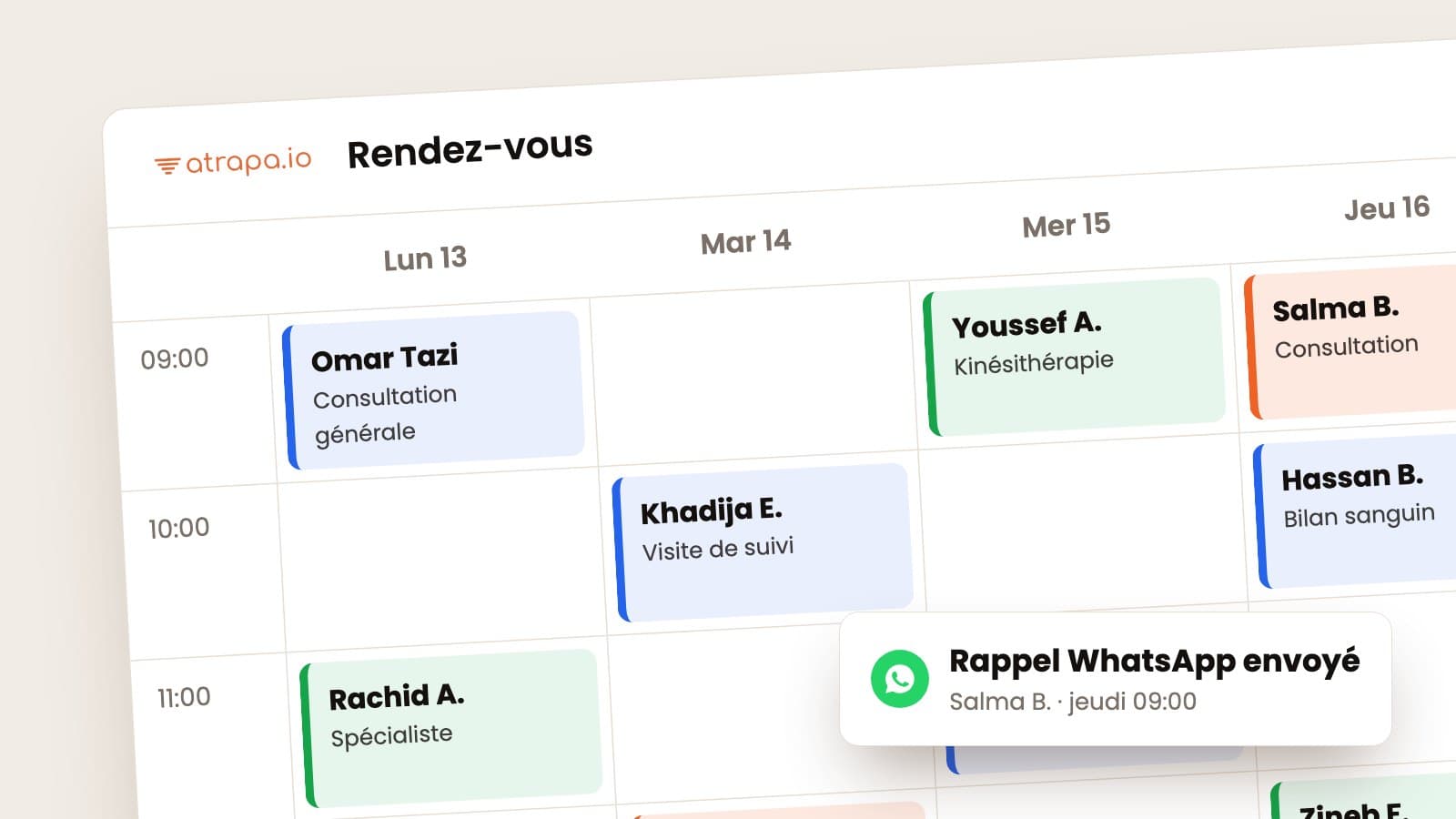
The biggest single win is automated reminders. A WhatsApp reminder before each appointment, with an easy way to reschedule, dramatically reduces no-shows, which are one of the largest hidden costs in any practice. Freed slots can then be filled from a waitlist.
Reducing no-shows and improving retention
No-shows are rarely deliberate; patients simply forget. A timely, friendly reminder solves most of the problem, and giving patients an easy way to reschedule keeps the slot productive rather than empty. Tracking who confirmed and who didn't lets reception follow up where it matters.
Beyond single appointments, recall reminders for check-ups and follow-ups bring patients back at the right time, improving both care and revenue. Combined with a clear view of each patient's history, this turns scattered messaging into a dependable, patient-friendly system.